Wine Glass and Circuit Pattern: A Design Evaluation
The intersection of organic elegance and technological precision creates a unique aesthetic niche. The combination of a wine glass motif with a circuit pattern offers designers a compelling visual metaphor. This juxtaposition blends the traditional symbols of leisure, celebration, and refinement with the modern language of connectivity, data, and innovation. For creators evaluating digital assets for upcoming projects, understanding the utility and application of this specific design pairing is essential. This article explores the characteristics, benefits, and practical considerations of using vector-based clipart that merges these two distinct themes.
Understanding the Aesthetic Fusion
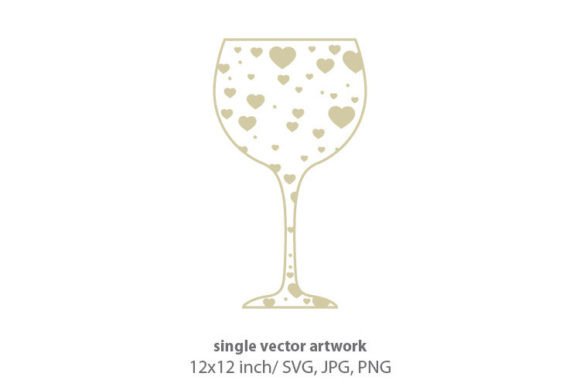
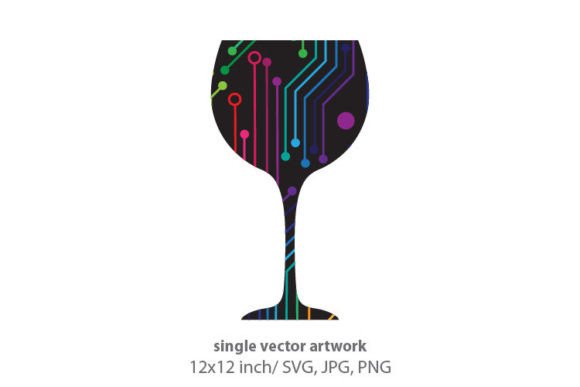
At its core, this design concept relies on contrast. The wine glass represents fluidity, transparency, and human connection. It is a classic icon in hospitality and lifestyle branding. Conversely, the circuit pattern symbolizes structure, logic, and the digital age. When integrated, the circuit lines may trace the contour of the glass, fill its bowl, or replace the liquid within it. This fusion appeals to audiences who appreciate both heritage and modernity. It suggests a brand or project that is grounded in tradition but powered by technology.
For those researching digital graphics, it is important to note that high-quality executions of this theme are typically created in vector programs such as Adobe Illustrator. Vectorization ensures that the intricate lines of the circuit board remain crisp at any scale. The standard artboard size for many of these assets is 12 x 12 inches, with a resolution of 300 DPI for rasterized versions. The color palette is usually defined in RGB, making it ideal for screen-based applications, though CMYK conversion is possible for print.
Key Benefits of Vector-Based Assets
When selecting digital elements for professional use, the file format is as critical as the design itself. Assets provided in SVG, JPG, and PNG formats offer versatility across different media. Here are the primary advantages of using vector-based clipart for this specific theme:
- Scalability: SVG files allow the design to be resized without loss of quality. This is crucial for applications ranging from small jewelry engravings to large wall art.
- Editability: Because the files are made in Adobe Illustrator, designers can easily modify colors, line weights, and components. This allows for customization to match specific brand guidelines.
- Multi-Platform Compatibility: The inclusion of JPG and PNG files ensures that users without vector software can still utilize the graphics for web design, social media posts, or basic document insertion.
- High Resolution: With a 300 DPI resolution for raster files, the images maintain clarity in printed materials such as invitations, stationery, and announcements.
Practical Applications and Use Cases
Determining whether this design aligns with your goals requires an assessment of your target audience and medium. The wine glass and circuit pattern combination is particularly effective in scenarios where technology meets lifestyle. Consider the following applications:
Branding and Logo Design
For tech startups in the food and beverage industry, or wineries adopting smart technology, this logo concept communicates a dual identity. It signals innovation without abandoning the warmth associated with dining and drinking. Graphic and web designers can use the SVG format to integrate these logos seamlessly into responsive websites and mobile apps.
Event Decor and Stationery
Themed parties, such as "Cyberpunk Galas" or tech-industry networking events, benefit from cohesive visual elements. Printed paper items like invitations, handmade cards, and announcements can feature this motif to set the tone. The 12 x 12 inch artboard size is well-suited for square-format prints, coasters, and napkins.
Handmade Crafts and Merchandise
Crafters using cutting machines or print-on-demand services can leverage these files for physical products. The clean lines of the vector graphics make them suitable for vinyl cuts, etched glassware, and jewelry designs. Wall art featuring this pattern can serve as a conversation piece in modern offices or home bars, bridging the gap between decor and tech interest.
Evaluating Tradeoffs and Considerations
While the aesthetic is distinctive, it is not universally applicable. Designers must weigh several factors before committing to this style.
Complexity vs. Clarity: Circuit patterns can be visually dense. If the lines are too intricate, the shape of the wine glass may become obscured, especially at smaller sizes. It is advisable to test the design at various scales to ensure legibility. Simplifying the circuit paths may be necessary for embroidery or small-scale printing.
Color Palette Limitations: Most digital files are provided in RGB. While this is optimal for screens, printing requires careful color management. Neon or bright electric colors common in circuit designs may not reproduce accurately on standard paper without specialized inks. Designers should convert files to CMYK and adjust expectations for print outputs.
Niche Appeal: This design speaks to a specific demographic. It may feel out of place for traditional, rustic, or purely organic brands. Evaluating the brand voice is crucial. If the goal is to convey earthiness or historical authenticity, the technological element may create cognitive dissonance.
When to Consider Alternatives
There are situations where alternative design choices may better serve your objectives. If the primary goal is to emphasize natural ingredients or organic processes, a botanical or minimalist line-art approach might be more appropriate. Similarly, if the target audience is not tech-savvy, the circuit motif may fail to resonate or could even appear confusing.
For projects requiring rapid deployment without customization, pre-made raster images might suffice. However, if long-term brand consistency and adaptability are priorities, investing time in editing vector files is worth the effort. Alternatives such as abstract geometric shapes or simple typography may offer greater flexibility if the specific "tech-meets-wine" narrative is not central to the message.
Decision-Making Insights for Creators
To determine if the wine glass and circuit pattern clipart aligns with your needs, ask the following questions:
- Does the dual theme reflect the brand story? Ensure the combination of tradition and technology is relevant to your message.
- What is the primary output medium? If printing, verify color profiles. If digital, leverage the scalability of SVGs.
- Is customization required? Assess your ability to edit vector files in Adobe Illustrator or similar software.
- Who is the audience? Confirm that the demographic appreciates the fusion of classic and modern aesthetics.
In conclusion, the wine glass and circuit pattern design offers a sophisticated tool for modern creators. By understanding its technical specifications, aesthetic implications, and practical applications, designers can make informed decisions. Whether used for logo design, wall art, or handmade crafts, this vector-based asset provides a versatile foundation for projects that seek to bridge the gap between the analog and digital worlds. Careful evaluation of your specific goals will ensure that this unique visual element enhances rather than distracts from your overall design strategy.