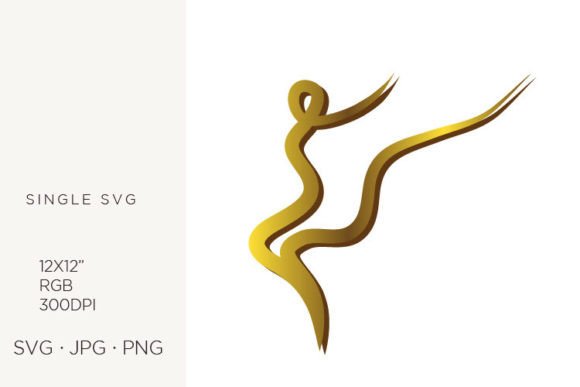
Abstract Person As a Part of Word Body: A Creative Design Element for Modern Projects
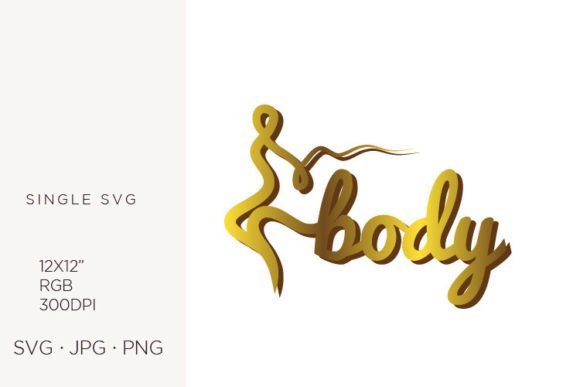
In the evolving landscape of digital design, the fusion of typography and illustration has emerged as a powerful tool for visual storytelling. One particularly striking example of this trend is the concept of an abstract person as a part of word body. This unique artistic approach blends human silhouettes or figures directly into the structure of letters, creating a seamless integration of form and meaning. For designers, crafters, and content creators, understanding how to utilize such elements can significantly elevate the quality and impact of their work.
This article explores the significance of this design element, its practical applications, and how you can leverage high-quality digital assets to bring your creative visions to life. Whether you are a seasoned graphic designer or a hobbyist looking to create handmade cards, this guide will provide you with the insights needed to make the most of these versatile graphics.
Understanding the Fusion of Typography and Human Form
The idea of incorporating human figures into text is not new, but its modern interpretation through abstract minimalism offers fresh possibilities. When an abstract person becomes part of a word’s body, it transforms static text into a dynamic narrative. This technique relies on Gestalt principles of perception, where the viewer’s brain completes the image, recognizing both the letter and the human figure simultaneously.
For instance, the vertical stroke of the letter "l" might double as the standing posture of a person, or the curve of a "C" might embrace a sitting figure. This duality creates a visual puzzle that engages the audience, encouraging them to look closer and interpret the message on a deeper level. It is a sophisticated way to convey themes of community, identity, health, wellness, and human connection without relying on clichéd imagery.
Why This Design Style Matters
In today’s fast-paced digital environment, capturing attention is challenging. Designs that merge typography with illustration stand out because they are unexpected and intellectually stimulating. They serve multiple purposes:
- Visual Interest: They break the monotony of standard fonts, adding an artistic flair that draws the eye.
- Symbolic Depth: They allow for layered meanings, where the text says one thing and the image reinforces or expands upon it.
- Versatility: These elements can be adapted to various contexts, from corporate branding to personal crafts.
Practical Applications for Creators and Businesses
The versatility of the "abstract person as a part of word body" graphic makes it suitable for a wide array of projects. Because these elements are often provided in vector formats like SVG, they can be scaled infinitely without losing quality, making them ideal for both small stationery items and large wall art.
Branding and Logo Design
For businesses focused on human-centric services—such as healthcare, coaching, education, or non-profits—this design element can be a cornerstone of brand identity. A logo that subtly integrates a human figure into the company name communicates care, presence, and professionalism. It suggests that people are at the heart of the business, fostering trust and emotional connection with potential clients.
Wall Art and Home Decor
In interior design, minimalist art is highly sought after. An abstract typographic print featuring a human figure can serve as a focal point in living rooms, offices, or studios. The clean lines and conceptual nature of the artwork complement modern decor styles, adding sophistication without overwhelming the space. With a resolution of 300 DPI, these files ensure crisp prints whether you are creating a small frame or a large canvas.
Handmade Crafts and Stationery
For DIY enthusiasts, these digital graphics are invaluable. You can use them to create:
- Invitation Cards: Add a personal touch to wedding, birthday, or baby shower invitations by integrating the theme of "togetherness" directly into the text.
- Greeting Cards: Create unique handmade cards for holidays or special occasions, where the design conveys warmth and connection.
- Party Decor: Use the designs for banners, cupcake toppers, or signage, ensuring a cohesive and stylish event theme.
Technical Specifications and File Formats
To fully leverage these design elements, it is crucial to understand the technical aspects of the files provided. High-quality digital assets typically come in a ZIP file containing multiple formats to suit different software and project needs.
The Power of SVG Files
The SVG (Scalable Vector Graphics) file is perhaps the most important format included. Created in vector programs like Adobe Illustrator, SVGs are resolution-independent. This means you can resize the graphic from the size of a postage stamp to the side of a building without any pixelation or loss of clarity. SVGs are also editable, allowing you to change colors, adjust paths, or modify the design to fit your specific brand palette.
Raster Formats: JPG and PNG
While vectors are ideal for editing and scaling, raster formats have their place:
- JPG (300 DPI): This format is perfect for quick previews or projects where editing is not required. The 300 DPI resolution ensures high-quality printing for physical items.
- PNG (300 DPI with Transparent Background): The transparent background is essential for layering the design over other images or colored backgrounds in web design or digital presentations. It allows the abstract figure to blend seamlessly into your layout without a white box around it.
Color Palette and Resolution
The files are typically provided in the RGB color palette, which is optimized for digital screens. If you are printing professionally, you may need to convert the colors to CMYK, but for most home printers and digital uses, RGB is sufficient. The 300 DPI resolution ensures that even when printed, the edges remain sharp and professional.
How to Use These Elements in Your Workflow
Integrating these graphics into your projects is straightforward, regardless of your skill level. Here is a step-by-step approach to getting started:
- Download and Extract: Unzip the file to access the SVG, JPG, and PNG assets.
- Choose Your Software: Open the SVG in a vector editor like Adobe Illustrator, Inkscape, or CorelDRAW for full customization. For simpler projects, you can import the PNG into Canva, Photoshop, or Procreate.
- Customize: Change the colors to match your brand or project theme. You can also adjust the size and position of the abstract figure within the word.
- Apply: Insert the design into your logo, invitation, or web banner. Ensure that the contrast between the text and the background is sufficient for readability.
- Export: Save your final design in the appropriate format for your intended use—PNG for web, PDF or high-res JPG for print.
Common Misconceptions About Typographic Illustrations
Many beginners assume that combining text and images requires advanced artistic skills. However, using pre-made elements like the abstract person SVG simplifies this process. Another common misunderstanding is that vector files are only for professional designers. In reality, user-friendly platforms now support SVG uploads, making these tools accessible to everyone.
Additionally, some believe that minimalist designs lack emotional impact. On the contrary, the abstraction invites viewers to engage their imagination, often resulting in a stronger emotional resonance than explicit imagery.
Conclusion
The abstract person as a part of word body is more than just a trendy graphic; it is a versatile design tool that bridges the gap between language and visual art. By incorporating this element into your projects, you can create meaningful, engaging, and aesthetically pleasing designs that resonate with your audience. Whether you are designing a logo, crafting handmade cards, or decorating your home, these high-quality digital assets provide the flexibility and professionalism needed to succeed.
With files available in SVG, JPG, and PNG formats at 300 DPI, you have everything you need to start creating. Embrace the power of typographic illustration and let your creativity flow. For more resources and design tips, explore our collection of digital graphics and start transforming your ideas into reality today.