Tie Dye Leopard Print Patches: A Bold Design Guide
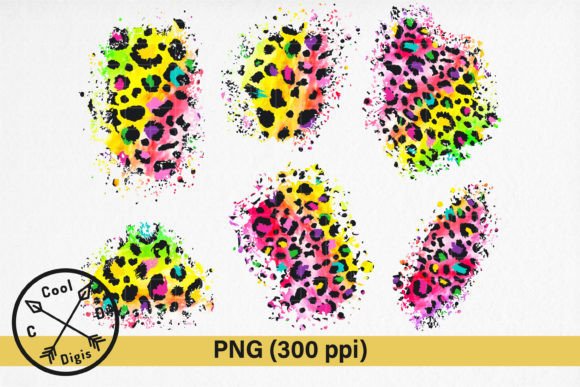
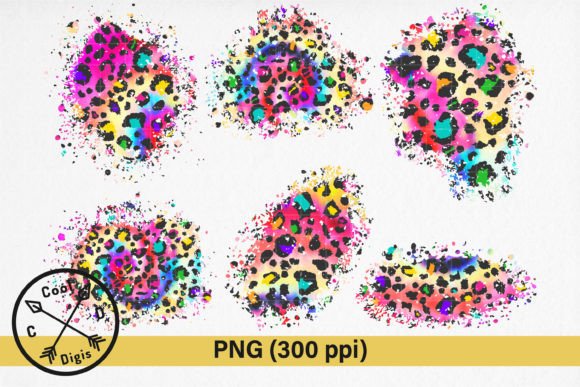
The intersection of wild animal prints and psychedelic color theory creates a visual language that is impossible to ignore. Tie Dye Leopard Print Distressed Patches represent more than just a trend; they are a statement of creative freedom. For designers, small business owners, and DIY enthusiasts, these assets offer a unique opportunity to blend retro nostalgia with modern edge. Whether you are launching a new apparel line, creating custom merchandise for an event, or simply looking to elevate your digital art portfolio, understanding how to leverage these high-resolution graphics can significantly impact your final output.
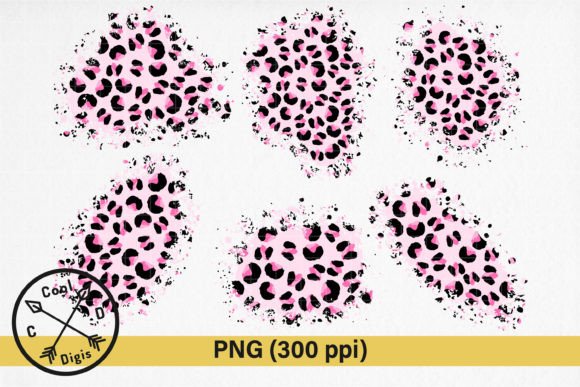
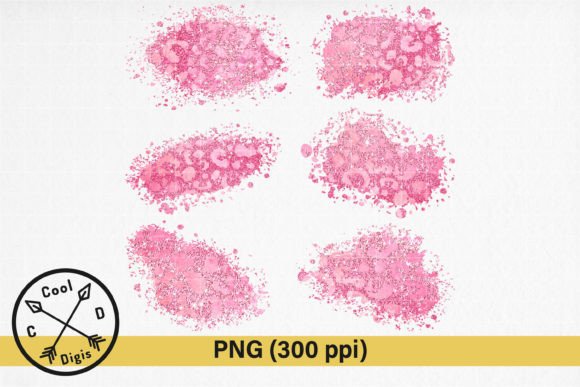
This collection features six distinct elements, provided as high-quality PNG files in a ZIP folder. With a resolution of 300 DPI in RGB color space, these files are engineered for versatility. They are large enough to be resized without losing clarity, making them suitable for everything from intricate web backgrounds to large-format textile printing. However, the true value lies not just in the file specifications, but in how you apply them to create something original and compelling.
Understanding the Aesthetic Appeal
The combination of leopard print and tie-dye is inherently contradictory, which is exactly what makes it work. Leopard print suggests structure, pattern, and a touch of classic luxury. Tie-dye, conversely, represents chaos, fluidity, and counter-culture energy. When you merge these two styles and add a distressed texture, you create a layered narrative. The distressing adds a sense of history and wear, suggesting that the item has lived a life, which resonates deeply with consumers who value authenticity and vintage aesthetics.
For marketers and brand builders, this aesthetic communicates boldness. It appeals to an audience that is confident, eclectic, and unafraid to stand out. Using Tie Dye Leopard Print Distressed Patches in your branding materials or product designs signals that you are in tune with contemporary streetwear trends while respecting the roots of graphic design. It is a style that works particularly well for brands targeting adults aged 20 to 50 who appreciate both quality craftsmanship and artistic expression.
Practical Applications for Creators
The utility of these PNG files extends far beyond simple copy-and-paste tasks. Because the files are provided with transparent backgrounds, they integrate seamlessly into various design workflows. Here is how different creators can maximize the potential of this digital download collection:
- Apparel Designers: These patches are ideal for sublimation printing on t-shirts, hoodies, and leggings. The distressed edges allow the fabric texture to show through slightly, creating a more integrated and professional look compared to solid-block graphics. Ensure you have prior knowledge of sublimation processes to achieve the best color transfer.
- Digital Marketers: Use the high-resolution files as focal points in social media campaigns. The vibrant colors pop on mobile screens, drawing attention to promotional posts. They can also serve as dynamic web backgrounds when layered with opacity adjustments.
- Educators and Workshop Leaders: Incorporate these elements into design tutorials to teach students about layering, texture, and color theory. Demonstrating how to manipulate distressed patches in software like Photoshop or Gimp provides practical, hands-on learning experiences.
- Freelance Graphic Designers: Offer custom merchandise designs to clients in the music, festival, or lifestyle sectors. These patches provide a quick yet effective way to add visual interest to mockups and final deliverables.
Technical Considerations for Best Results
To ensure your projects maintain a professional standard, it is crucial to understand the technical requirements of working with these files. The collection includes six high-quality PNG files, each designed to be flexible. However, achieving the desired outcome requires the right tools and knowledge.
First, ensure you have access to compatible software. Programs such as Adobe Photoshop, Adobe Illustrator, CorelDraw, PaintShop, Inkscape, or Gimp are essential for editing and preparing these files for print or digital use. While the files are ready to use, minor adjustments may be needed to match your specific project dimensions or color profiles.
Second, pay attention to color management. The files are provided in RGB format, which is optimal for screen display and sublimation printing. However, please note that colors may vary from screen to screen and printer to printer. This variation depends heavily on the inks and substrates used. For physical products, always run a test print on your chosen material. This step is vital to ensure that the vibrant tie-dye hues and the depth of the leopard spots translate accurately to the final product.
Third, leverage the resolution. At 300 DPI, these images are print-ready. You can resize them to fit your needs without significant loss in quality. This scalability is particularly useful if you are creating items of varying sizes, from small accessory patches to large wall art or banner prints. Maintain the aspect ratio during resizing to prevent distortion of the leopard pattern.
Creative Strategies for Unique Designs
While the patches are striking on their own, combining them with other design elements can elevate your work. Consider the following approaches to keep your results clear, effective, and original:
Layering and Depth: Do not limit yourself to a single patch. Layer multiple elements from the collection to create a collage effect. Use blending modes in your design software to experiment with how the tie-dye colors interact with underlying textures or images. This technique adds depth and complexity, making the design feel more curated and less generic.
Contrast and Balance: Because the leopard tie-dye pattern is busy and colorful, balance it with negative space. When designing for t-shirts or web banners, allow plenty of room around the patches. This prevents visual clutter and ensures the focal point remains clear. Use solid, neutral backgrounds to let the distressed edges and vibrant colors shine.
Contextual Adaptation: Think about your audience. For a youthful, energetic brand, you might use the brightest, most saturated versions of the patches. For a more mature or upscale audience, consider desaturating the colors slightly or applying a monochrome filter to create a sophisticated, understated look. The versatility of the PNG format allows for these easy adjustments.
Building a Consistent Brand Identity
For entrepreneurs and small business owners, consistency is key. If you decide to incorporate Tie Dye Leopard Print Distressed Patches into your product line, ensure that this aesthetic aligns with your broader brand identity. Use these elements across various touchpoints, from packaging inserts to email newsletters, to create a cohesive visual experience.
Organize your digital assets effectively. Keep the original ZIP folder and extracted PNG files in a dedicated library. Label variations clearly if you make edits. This organization saves time and ensures that you can quickly access the correct files for future projects. Maintaining a consistent style guide that includes these patches will help your team or collaborators understand how to use them appropriately.
Ultimately, these digital downloads are tools for expression. They provide a foundation upon which you can build unique, engaging designs. By combining technical precision with creative intuition, you can transform these six elements into a wide array of successful projects. Whether you are printing on textiles or designing for the web, the goal is to create work that resonates with your audience and stands out in a crowded marketplace. Embrace the chaos of the tie-dye, the structure of the leopard print, and the character of the distressing to craft designs that are truly your own.